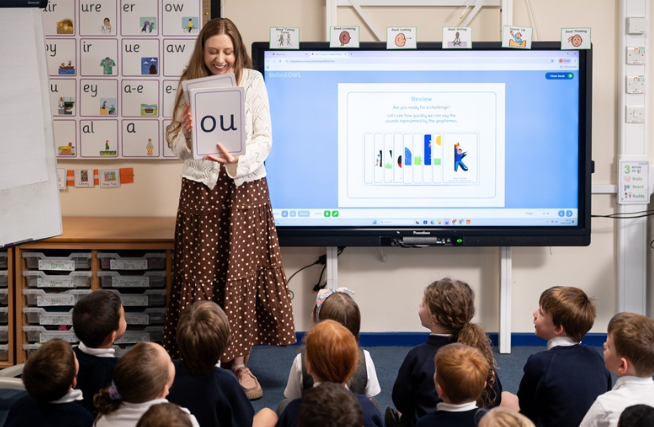
How teachers can recognise childhood grief, create a supportive school environment and help pupils navigate difficult emotions — particularly as Christmas approaches.
This Children’s Grief Awareness Week, Scotland4Kids is working with Child Bereavement UK to highlight the important role teachers and school staff play in supporting children who have experienced the death of someone special.
For a grieving child, school can provide a much-needed sense of stability, familiarity and belonging. But grief doesn’t always look the way we might expect, and understanding how children experience loss can help teachers respond with greater confidence and compassion.
With Christmas approaching, classroom celebrations, festive activities and conversations about family traditions can be particularly difficult for pupils missing a parent, grandparent, sibling or another important person.
We spoke to Child Bereavement UK about recognising childhood grief, responding to difficult questions and helping children feel safe, understood and supported at school.
Understanding Childhood Grief: What Teachers Need to Know
One of the most common misconceptions about grief is that children experience it in the same way as adults.
While adults may experience prolonged periods of sadness, children often move in and out of their grief very quickly.
A pupil might become tearful during a lesson, then happily join their friends at breaktime just minutes later.
Child Bereavement UK describes this as ‘puddle jumping’ — moving between moments of grief and ordinary childhood activities.
This is a natural response. Children may find it difficult to sustain intense emotions for long periods, and playing or engaging in familiar activities can provide a welcome break.
A child who appears happy, engaged or playful may still be grieving deeply.
For teachers, recognising this can help prevent misunderstandings about how a bereaved pupil is coping.
Five Things Teachers Should Know About Childhood Grief
1. Grief doesn’t always look like sadness
Not every bereaved child will cry or openly express their feelings.
Instead, teachers may notice changes in behaviour, including:
- Increased frustration, anger or emotional outbursts
- Withdrawal from friends or classroom activities
- Difficulty concentrating or completing schoolwork
- Clinginess or separation anxiety
- Tiredness, headaches or stomach aches
- Changes in confidence or behaviour
Some pupils may also try to hide their feelings because they don’t want to upset the adults around them.
Rather than assuming a child is being difficult or disruptive, consider whether grief could be contributing to changes in their behaviour.
2. Younger children may struggle to understand death
Children develop their understanding of death gradually.
Younger pupils may not fully understand that death is permanent and may repeatedly ask when the person who died is coming back.
They may also express their feelings through imaginative play, drawings or changes in behaviour.
Teachers can support these children by offering clear, consistent explanations appropriate to their age and understanding.
3. Honest, age-appropriate language is important
Although adults naturally want to protect children from painful realities, unclear explanations can sometimes create confusion or anxiety.
Child Bereavement UK recommends using straightforward words such as ‘died’ and ‘dead’, rather than phrases like ‘gone to sleep’ or ‘lost’.
When answering questions, keep explanations simple and gentle, and follow the child’s lead.
It’s also perfectly acceptable to say, ‘I don’t know.’
4. Children may need reassurance again and again
Bereaved pupils may ask the same questions repeatedly as they try to make sense of what has happened.
Others may worry that someone else they love could die or that they somehow caused the death.
Reassure children that they are cared for, that their feelings are understandable and that they are not to blame.
5. Every child’s grief is different
There is no single way to grieve and no fixed timetable for recovery.
Some pupils may want to talk openly, while others prefer to keep their feelings private.
The most helpful approach is to create an environment where children know support is available without feeling pressured to share.
Five Practical Ways Teachers Can Support Bereaved Pupils
Small, thoughtful actions can make a meaningful difference to a grieving child.
1. Maintain familiar routines
School routines, clear expectations and predictable activities can provide a reassuring sense of normality when life outside school feels uncertain.
2. Offer opportunities to talk
Let pupils know there is a trusted adult they can speak to when needed.
Some children may find it easier to express themselves through drawing, writing or play rather than conversation.
3. Be flexible with learning and behaviour
Grief can affect concentration, memory, motivation and emotional regulation.
Where appropriate, offer additional time, quieter spaces or temporary adjustments to classroom expectations.
4. Work closely with parents and carers
Maintain sensitive communication with the child’s family to understand what support might be helpful.
Agree on how information will be shared with other staff and classmates, respecting the child’s wishes and privacy.
5. Help children feel included
Bereaved pupils should have opportunities to participate in ordinary school life while knowing they can step away from activities that feel overwhelming.
Sometimes simply knowing that a teacher understands can make an enormous difference.
Supporting Bereaved Pupils During Christmas Activities
Christmas is often one of the busiest and most exciting times in the school calendar.
From concerts and Christmas jumper days to festive crafts, parties and classroom discussions about family traditions, there are countless opportunities for celebration.
However, for a child experiencing bereavement, these activities can also highlight the absence of someone important.
A pupil facing their first Christmas without a parent, grandparent or sibling may experience a mixture of excitement, sadness, anxiety and guilt.
Teachers can help by making festive activities inclusive, flexible and sensitive to different family circumstances.
For example:
- Think carefully about family-themed activities. When making Christmas cards or gifts, allow children to choose who they would like to create something for.
- Offer alternatives. If an activity feels upsetting, provide another option without drawing unnecessary attention to the pupil.
- Avoid assumptions. Not every child will be spending Christmas with the same family members or celebrating in the same way.
- Communicate with families. Where appropriate, let parents and carers know about upcoming activities so they can help prepare their child.
- Allow space for different emotions. A child may enjoy the Christmas party but become upset during a particular song or activity.
Above all, remember that children can feel happiness and sadness at the same time.
Gentle Christmas Remembrance Activities for Schools
For some children, remembering the person who died can be comforting, particularly during the festive season.
If appropriate and agreed with the pupil and their family, schools might consider offering optional remembrance activities.
🎄 A special memory decoration
Invite pupils who wish to participate to create a decoration representing someone important to them.
This could be a paper star, bauble or heart featuring a name, favourite colour or special memory.
💌 A Christmas card or letter
Give children the option to write or draw a card to someone they are missing.
They might want to share a memory, describe something they have enjoyed or simply express how they feel.
The card can remain private or be taken home.
💛 A memory box or scrapbook
A child may find comfort in collecting drawings, photographs, written memories or other meaningful items.
This can be a personal activity rather than something shared with the whole class.
Importantly, remembrance activities should always be optional. Some children may find them comforting, while others may not feel ready.
It’s Okay for Children to Enjoy Christmas While Grieving
One of the most reassuring messages teachers can share with bereaved pupils is that enjoying themselves does not mean they have forgotten someone they love.
A child might laugh with friends during a Christmas performance and later feel overwhelmed by sadness.
Both responses are natural.
Teachers can help normalise these changing emotions by acknowledging that we can miss someone and still enjoy special moments.
There is no need to choose between remembering a loved one and making new happy memories.
Recognising When a Pupil May Need Additional Support
Grief affects every child differently, and there is no set timeline for how long difficult feelings may last.
However, teachers should be alert to persistent or worsening changes in a pupil’s wellbeing.
These may include ongoing withdrawal, significant difficulties engaging with learning, prolonged anger or sadness, or loss of interest in activities they previously enjoyed.
If concerns continue, work with the school’s pastoral care team, additional support staff and the child’s family to consider whether specialist bereavement support would be beneficial.
Any concerns about self-harm or a child’s immediate safety should be addressed promptly through the school’s safeguarding and child protection procedures.
Free Bereavement Resources for Scottish Schools
Child Bereavement UK provides specialist support, guidance and resources for children, young people, families and the professionals who support them.
The charity offers free, UK-wide online grief support for bereaved children and young people up to the age of 25, as well as support for parents and carers when a baby or child is dying or has died.
It also provides resources, training and educational programmes to help teachers and other professionals feel more confident supporting bereaved children.
Its On-Demand Support Service offers access to bereavement specialists through live chat, text, email or telephone.
The service is available Monday to Friday, 8am–8pm, excluding bank holidays.
Useful links for teachers:
💛 Child Bereavement UK – Support and Resources
💛 Child Bereavement UK – On-Demand Support
Every Child Deserves to Feel Supported
This Children’s Grief Awareness Week, let’s recognise the difference a compassionate teacher, supportive classroom and understanding school community can make to a grieving child.
Teachers don’t need to have all the answers or find the perfect words.
Often, what matters most is listening, being patient, maintaining a sense of normality and helping children understand that their feelings are valid.
As Christmas approaches, a little extra kindness, flexibility and understanding can help bereaved pupils feel included, supported and less alone.
Because every child deserves a school environment where they feel safe to learn, play, remember and grieve in their own way.