
Scotland has something most countries can only dream of. Dramatic landscapes, accessible wild spaces, and a national curriculum that doesn’t just permit outdoor learning — it actively encourages it. Curriculum for Excellence positions the outdoors as a genuine context for learning, not a reward for finishing work early or a treat reserved for the last week of term.
And yet, in most schools, outdoor learning remains exactly that. Occasional. Peripheral. The first thing dropped when the timetable gets tight.
That gap — between what CfE envisions and what actually happens week to week — is worth taking seriously. Because the evidence for what consistent outdoor learning does for children is not marginal. It is substantial.
What the research actually shows
Children who spend regular time learning outdoors demonstrate better concentration and focus back in the classroom. They show stronger resilience, greater confidence, and improved ability to manage risk. Their wellbeing scores are higher. Their connection to the natural world — something increasingly at risk in an age of screens and structured indoor time — is meaningfully deeper.
The key word is regular. One outdoor session per term produces some benefit. One outdoor session every week of the school year produces a fundamentally different outcome. The skills and dispositions that outdoor learning builds — curiosity, perseverance, collaboration, self-regulation — develop through repetition, not occasional exposure.
What good outdoor learning actually looks like
There’s a common misconception that taking learning outside means moving your existing lesson into the playground. Reading on the steps. Maths on clipboards in the field. That approach has its place, but it isn’t really making use of what the outdoor environment uniquely offers.
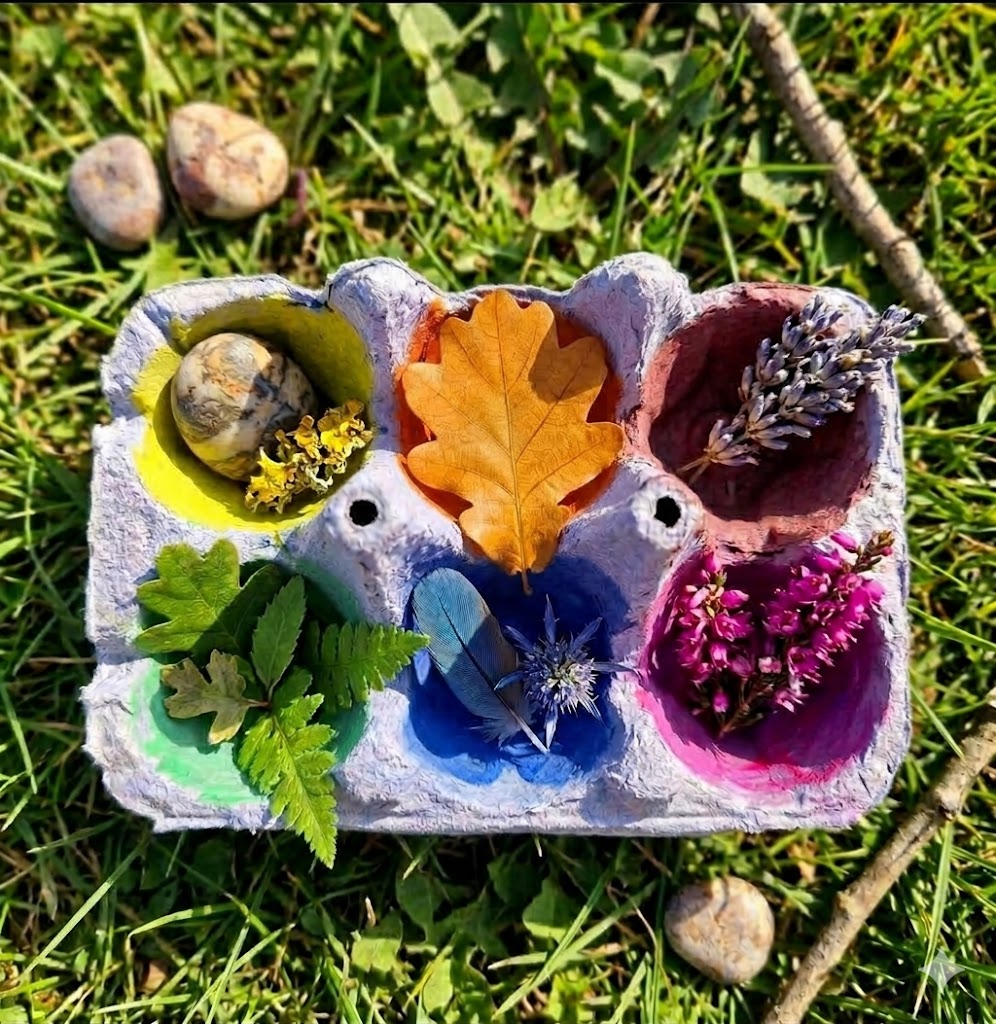
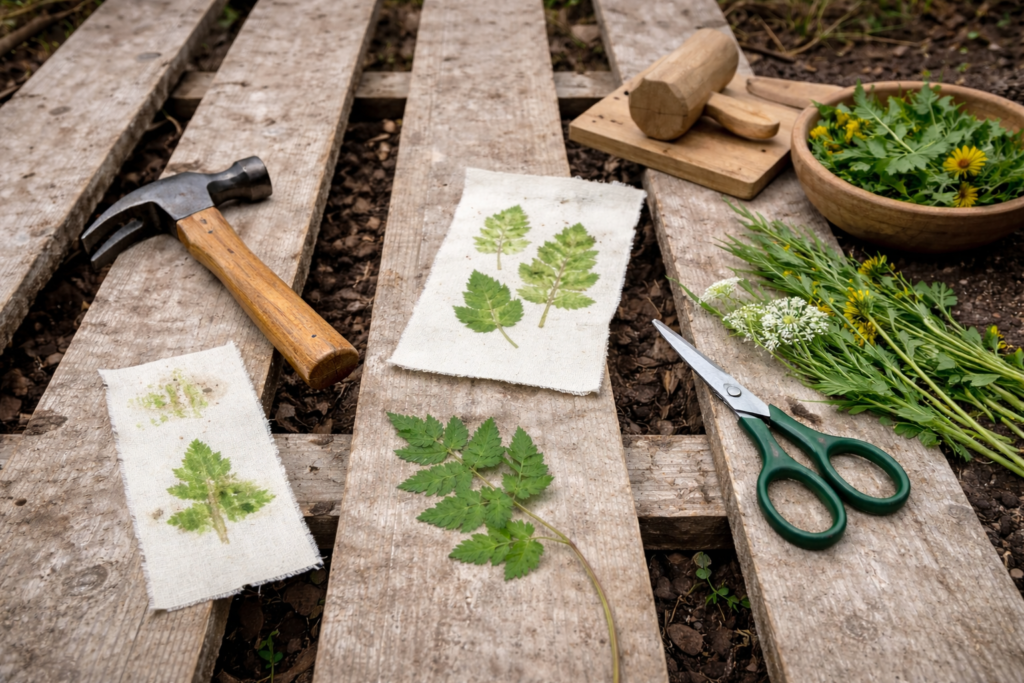
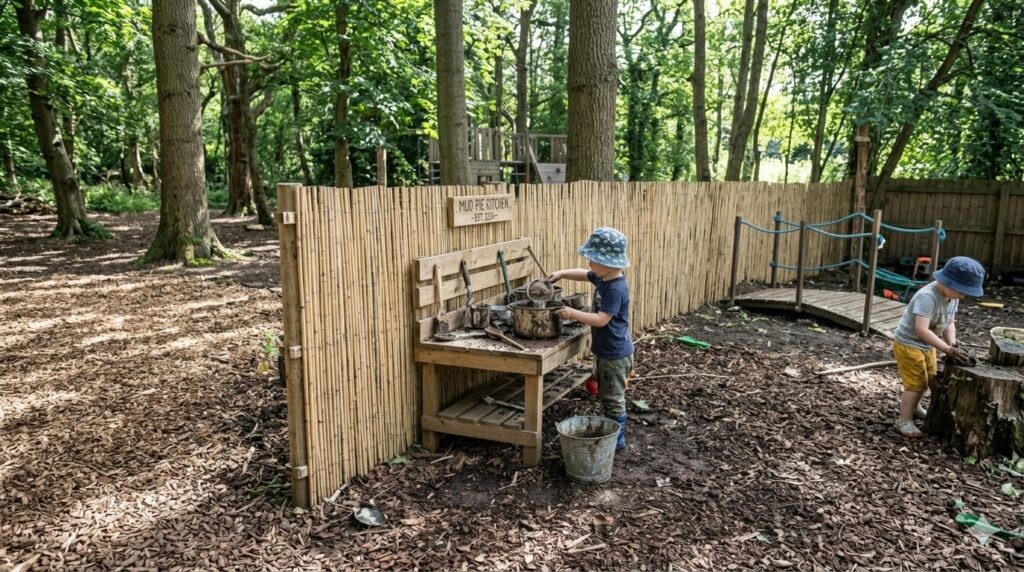
The most effective outdoor sessions use the outdoors itself as the medium. Children building structures from natural materials — exploring forces, engineering, and teamwork in a single session. Designing and testing cork boats on a puddle or stream. Nature journaling — slowing down, looking carefully, recording what’s actually there. These are experiences the classroom cannot replicate, not because of what’s missing inside, but because of what’s genuinely present outside.
None of this requires a forest school qualification. None of it requires specialist equipment or a dramatic landscape on the doorstep. It requires a patch of outdoor ground, some basic materials, and a clear plan for what children are doing when they get there.
The real barrier — and how to remove it
Ask any teacher why outdoor learning doesn’t happen more consistently and the answer is rarely a lack of enthusiasm. Most teachers want to go outside more. The barrier is planning time — researching activities, adapting them for different ages, preparing resources, writing risk notes. That work adds up, and it adds up every single week.
The schools that make outdoor learning genuinely consistent are the ones that remove that burden from individual teachers. A shared programme — already planned, already age-matched, already resourced — turns “I need to plan outdoor learning” into “I need to open the plan and head outside.” That shift is everything.
Five things that make outdoor learning stick
Block the time first. Put outdoor learning in the timetable and protect it. Without a fixed slot, it will always be the first thing displaced.
Build progression across year groups. What Primary 1 children do outside should differ meaningfully from what Primary 6 children do. Outdoor learning should be as carefully sequenced as any other area of the curriculum.
Use the environment as the medium, not just the setting. Design sessions around what the outdoors provides — space, materials, living things, weather — rather than around what the classroom normally does.
Keep preparation minimal. The best outdoor sessions use natural materials found on site or simple everyday items. If setup takes more than ten minutes, it won’t happen consistently.
Let the children make the case. Run it well for one class for one term. The enthusiasm children bring back inside — the focus, the conversation, the requests to go out again — travels fast in a staffroom.
A resource worth knowing about
For schools looking for a ready-made structure, the Educate Outside Scheme of Work provides 38 fully planned outdoor sessions per year group, covering ages 4 to 11. Every session is written so any classroom teacher can deliver it without specialist training. It’s a practical starting point for schools that want outdoor learning to become a genuine weekly habit rather than a well-intentioned aspiration.
Scotland’s outdoor spaces are extraordinary. The curriculum is on your side. The evidence is clear. The only thing most schools are missing is a sustainable plan for making it happen every week — not just when the conditions feel right.
Visit https://www.educateoutside.com/outdoor-learning-scheme-of-work/ to learn more.
OutdoorLearning, #ScotlandEducation, #CurriculumForExcellence, #PrimaryEducation, #LearningOutside, #OutdoorClassroom, #NatureBasedLearning, #ChildDevelopment, #WellbeingInSchools, #ExperientialLearning, #STEMOutdoors, #ForestSchoolAlternative, #EducationInnovation, #TeacherResources, #OutdoorLearningUK, #SchoolCurriculum, #HandsOnLearning, #ResilienceInChildren, #EducationScotland, #OutdoorActivitiesKids