From online gaming and in-game purchases to gambling-style features and influencer advertising, children are growing up in an increasingly complex digital world. Ygam is helping Scottish teachers give pupils the knowledge and confidence to navigate it safely.

Digital technology is an important part of children’s everyday lives. Whether they’re gaming with friends, exploring online worlds or watching their favourite content creators, young people are spending more time in digital spaces than ever before.
While these experiences can bring enormous benefits, they can also introduce risks that aren’t always easy for children, parents or teachers to recognise.
That’s where Ygam, the UK education charity dedicated to preventing gaming and gambling harms among children and young people, is working to make a difference.
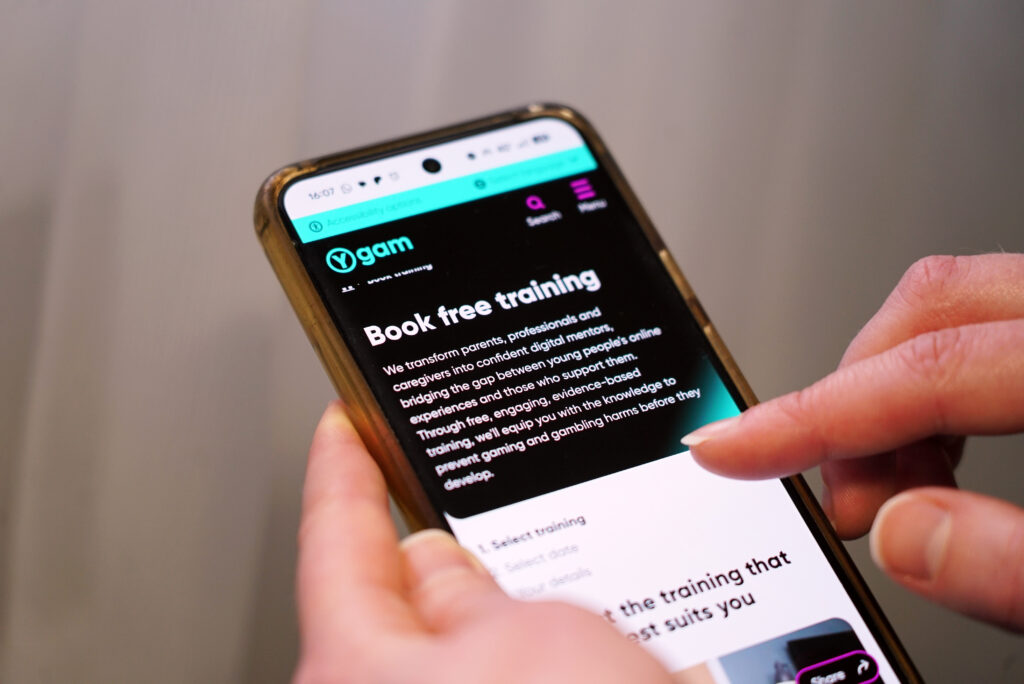
Through free teacher training, practical classroom resources and evidence-based guidance, Ygam supports schools in creating safer digital environments for their pupils.
Growing Up in a Digital World
For many children, gaming is simply part of everyday life.
According to Ofcom research cited by Ygam, almost nine in ten children aged three to 17 play video games on some kind of device.
Gaming can be a positive experience, helping children develop creativity, problem-solving skills, social connections and opportunities to relax.
However, as games and digital platforms evolve, children are also encountering increasingly sophisticated ways to spend money within games.
Some of these features can share characteristics with gambling, making it important for young people to understand how they work.
The aim isn’t to discourage children from enjoying gaming. Instead, it’s about helping them recognise potential risks and make informed decisions.
When Gaming and Gambling Begin to Overlap
One of the biggest challenges facing families and schools is the increasingly blurred boundary between gaming and gambling.
Features such as loot boxes, microtransactions and virtual currencies can make spending feel less connected to real money.
Children may also encounter gambling-related messages through advertising, social media and online influencers.
Research conducted by Ygam and Mumsnet in 2025 found that:
- More than half of parents had noticed gambling-style features in games their children played.
- More than a third reported that their children spent money within games.
- Excessive screen time and the potential for addiction were among parents’ leading concerns.
Meanwhile, the Gambling Commission’s 2025 survey reported that 30% of 11 to 17-year-olds had spent their own money on gambling during the previous year, while 79% had seen or heard gambling advertising or promotion.
These findings highlight why digital awareness and early education are so important.
Public Health Scotland has also highlighted the connections between gaming and gambling and the potential harms for children and young people.
How Ygam Supports Scottish Teachers
Teachers play an important role in helping children understand the digital environments they encounter every day.
Ygam provides free CPD-certified training and curriculum-mapped resources to help education professionals feel more confident discussing gaming, gambling and related risks.
Its training workshops explore:
- How children and young people encounter gaming and gambling.
- The different forms these activities can take online.
- How in-game spending and gambling-style features work.
- Changes in behaviour that could indicate potential harm.
- How to respond to concerns without judgement.
- Where to find further information and support.
Workshops are available online through Ygam’s open training programme, with bespoke sessions also available for school staff teams. See Here
Following completion, participants receive a digital certificate recognising their professional learning, along with access to Ygam’s Alumni network and wider teaching resources.
Bringing Digital Safety into Scotland’s Curriculum
The good news for busy teachers is that gaming and gambling harm prevention doesn’t need to become another standalone subject.
Scotland’s Curriculum for Excellence offers opportunities to explore these issues through existing learning around health and wellbeing, digital literacy and responsible decision-making.
Ygam’s resources can help teachers introduce age-appropriate conversations in a practical and engaging way.
For example, pupils could explore:
Advertising and online influencers
How do advertisements and social media personalities influence the choices young people make? Can pupils recognise when content is encouraging them to spend money?
In-game purchases and virtual currencies
Why do some games encourage players to buy additional items? How can virtual currencies make it harder to understand the real cost of purchases?
Persuasive design
What techniques do games and apps use to encourage people to keep playing, return regularly or spend money?
Healthy digital habits
How can young people balance gaming with other activities, recognise when something doesn’t feel right and know when to ask for help?
These topics can be incorporated into classroom discussions, assemblies, pastoral activities and parent information events.
Ygam’s curriculum-mapped materials support learners from upper primary through to college, with resources tailored to different ages and stages.
Starting Conversations That Make a Difference
Creating safer digital environments isn’t simply about limiting screen time or telling children what they should and shouldn’t do online.
It’s about giving them the confidence to ask questions, recognise potential risks and understand the choices available to them.
Teachers are uniquely placed to support these conversations.
By creating an open, non-judgemental environment, schools can help pupils feel comfortable discussing their gaming experiences, online spending and concerns about digital content.
And with practical resources and professional training available, teachers don’t have to navigate these issues alone.
Access Free Training and Resources from Ygam
Ygam is supporting schools across the UK with free, evidence-based education designed to prevent gaming and gambling harms before they develop.
Scottish teachers can access:
- Free CPD-certified training workshops.
- Online and bespoke staff training opportunities.
- Curriculum-mapped lesson plans and classroom activities.
- Age-appropriate teaching resources.
- Guidance on recognising and responding to potential harms.
- Ongoing professional learning through Ygam’s Alumni network.
Creating a safer digital world starts with better understanding. And sometimes, one conversation in the classroom can make all the difference.
To explore Ygam’s free teacher training and educational resources, visit www.ygam.org.
This article forms part of Scotland4Kids’ ongoing education partnership with Ygam, sharing practical guidance and resources to help Scottish schools support children’s digital wellbeing.