The Neuroinclusive Educator is a sustainable, realistic framework for inclusive teaching practice that recognises student diversity, supports teacher wellbeing and builds classroom cultures where students feel safe and can grow.
We spoke to author Victoria Bagnell to learn more about the importance of accommodating variability so all children can belong and how the book serves as a must-have resource for inclusive learning in classrooms.
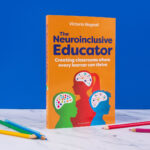
Your latest book, The Neuroinclusive Educator, is a personal reflection of lived experiences of people close to you who were misunderstood, judged and othered. Can you tell us about that?
This book is deeply personal to me. I am dyslexic myself, and throughout my life I have been surrounded by brilliant neurodivergent people – family members, friends, students and clients – who have too often been misunderstood, judged or made to feel that they were somehow the problem. I began my career as a teacher and later moved into supporting young people with executive function challenges. Again and again, I saw children who were described as lazy, disorganised, defiant, careless or simply “not trying hard enough”. But when you looked beneath the behaviour, there was almost always something else going on.
They might be struggling with working memory, emotional regulation, task initiation, cognitive flexibility or
another executive function skill. Sometimes they were simply overwhelmed by an environment that wasn’t designed with their needs in mind.
That has really shaped the book. I want us to move away from asking, “What is wrong with this child?” and towards asking, “What might be getting in the way for this child, and what can we do differently for all the children in our care?”
For me, neuroinclusion is ultimately about belonging. Every child deserves to feel that they belong at school, but currently very few actually do.
To read the rest of the interview click here.